LATEST ARTICLES

Can AI Detectors Spot Fake Comic Art? Inside the War Between Human Illustrators and AI-Generated Panels

0

Open a comic page, zoom into the hands, count the fingers, check whether the background held still between panel two and panel five, and you may feel a small thrill of certainty. You have found a tell. You post the crop. Somebody replies that they ran the same page through an AI detector and the score came back high. By dinner the artist’s name is circulating with the word “fraud” attached to it.

The certainty is usually borrowed. AI detection on comic art is a probabilistic guess stacked on top of an accusation that carries real money, real contracts, and real reputations. The guess is sometimes right, and the problem is that almost nobody selling the guess will tell you how often it is wrong.

This is where the fight actually sits, and it is stranger than the headlines suggest. The technology people are using to police AI art is weakest exactly where comics spend most of their energy: in sequence, in deliberate style shifts, and in the ordinary working methods that have always left odd fingerprints on a finished page.

What an AI detector actually looks at

Every serious detector draws on two kinds of evidence, and they are not equally strong.

The first is file-level. Many generated images ship with embedded markers: EXIF software tags, invisible watermarks such as Google’s SynthID, or C2PA Content Credentials, a cryptographically signed manifest that records the tool that made the file and every edit since. When that evidence is present and intact, the question of whether an image came from a model can be answered with near certainty in milliseconds.

That evidence is also trivially destroyed. Upload the file to Instagram, take a screenshot, run it through a re-encoder, and the manifest is gone. The pixels carry nothing. This is why the strongest detector signal is usually missing from the version of the page a fan actually found on a social feed.

The second kind of evidence is visual. With no metadata to read, the detector falls back on statistics: frequency content, noise patterns, the particular smoothness diffusion models leave behind, the texture GANs used to leave behind. Those signals are real, but they are probabilistic, and they depend heavily on the generator, the compression, and how much editing happened after generation.

The same split shows up on the text side of a comic. When a publisher suspects that a script, or the lettering, was machine-written, a text-side AI detector can be run over it in seconds. It returns a number. It cannot tell you whether the jokes were written by a tired human at two in the morning, only that the phrasing lines up with patterns the model has seen before. Useful as a screening nudge, close to worthless as a verdict.
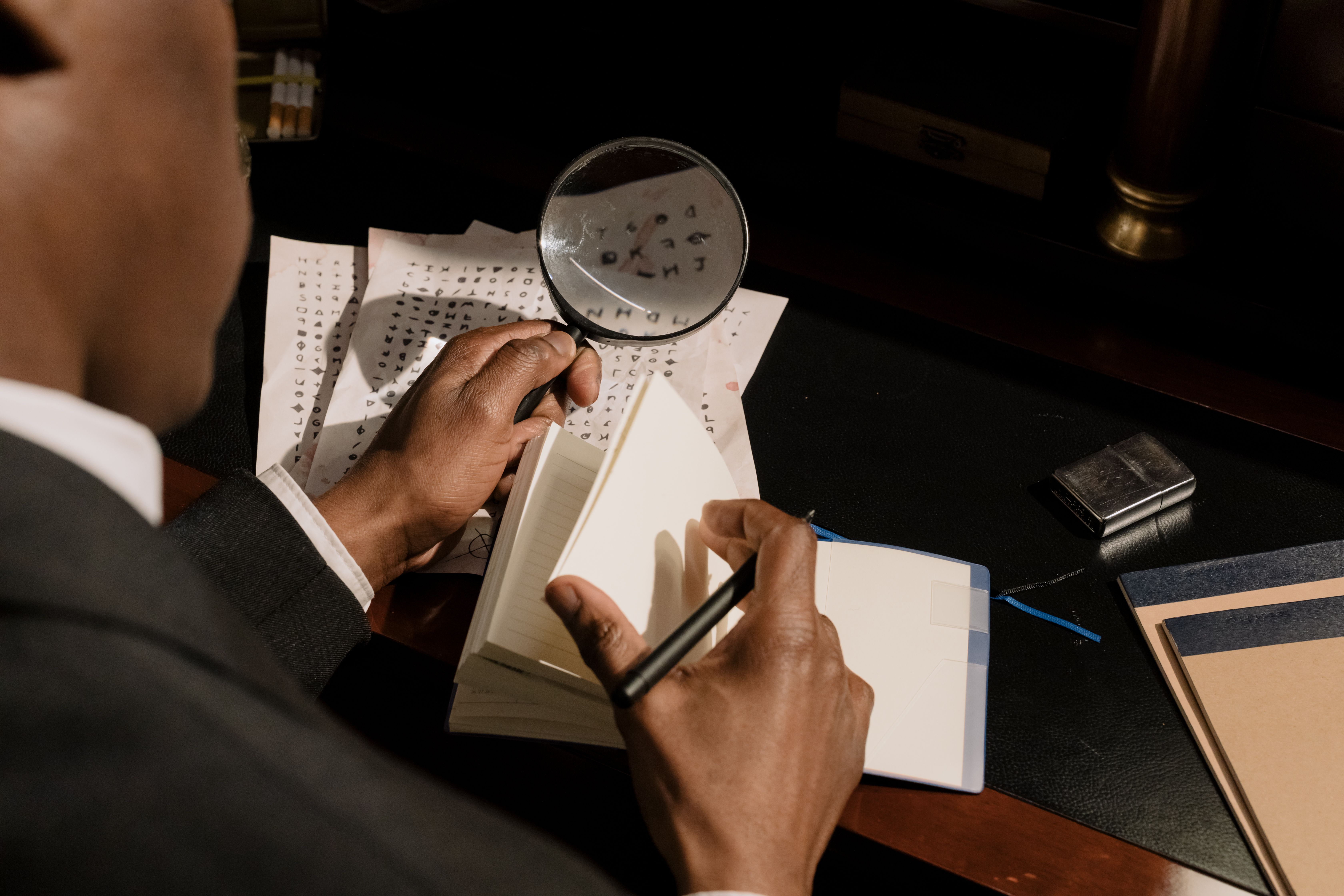
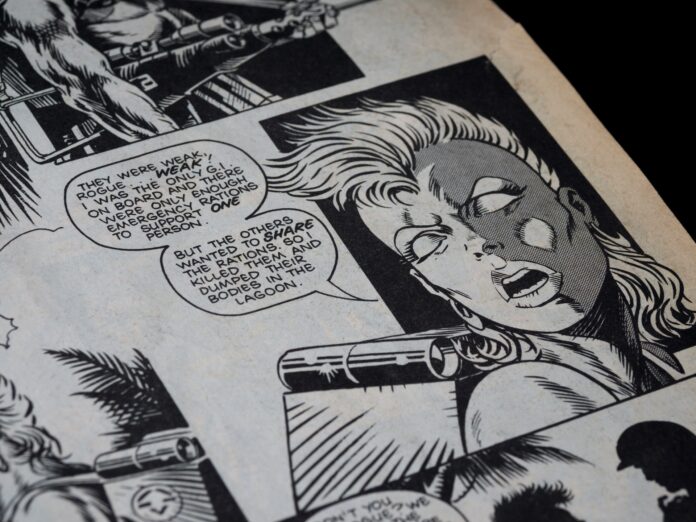
Investigator examining documents with a magnifying glass, representing the hunt for AI-generated fake comic panels

The “tells” were never tells

Here is the part that the loudest threads skip. Comics are sequential art, so almost every visual cue people use to “spot AI” is also produced by the medium itself and by the tools human artists have used for decades.

A background that changes between panels is not evidence of a model. It is evidence that the camera moved. A character who looks slightly different in panel seven than in panel one is what a page drawn over three weeks, by a fallible person, sometimes looks like. Detail blur is an artifact of a diffusion upscale, and it is also what a soft brush, a low-resolution reference photo, and a fast deadline produce.

Then there are the processes that genuinely mimic generation. Photobashing, where an artist composites photos and paint into a scene, leaves colliding geometry and mismatched lighting. The clone stamp tool duplicates objects with telltale repetition. A studio system, where several artists ink and color under one name, produces exactly the inconsistent line weight that sparked suspicion in the Mike Deodato case. 3D reference and photo reference can make a figure look “too smooth” to a viewer who has never drawn a page.

In 2026 the art book for Spider-Man: Brand New Day was accused of AI after a page of New York concept art showed taxis and buildings colliding. The publisher’s answer was that the page was made with the clone tool and photobashing, admitted it was lazy, and denied AI. Nobody disputed the artifacts. The entire argument was about which cheap process made them, and no viewer could tell from the printed page. An anti-AI policy is a statement of intent. What that page needed was a receipt: retained layer stacks, source plates, a delivery log per freelancer.

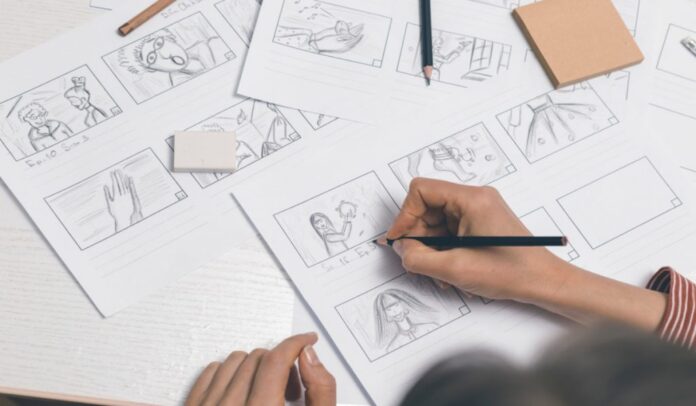
Illustrator working on a graphics tablet and laptop creating digital comic art

Four accusations, four different endings

The pattern in the last two years is not “AI is everywhere in comics.” It is that a small number of real incidents and a much larger number of false ones are being litigated in public with the same tools. Look at how differently these played out.

Case and date The accusation What actually surfaced
Stanley “Artgerm” Lau, January 2026 Marvel and DC cover art “looks AI” Lau posted sketch-to-finish timelapses; the likely cause is that models were trained on his style, not that he used them
InHyuk Lee and Will Jack, 2024 Cover illustrations flagged as generated Lee showed the art dated to 2015, before modern generators; Will Jack’s accusers cited a detector score as their proof
Mike Deodato, Ultimate Oz, January 2026 Interior panels inconsistent in style and anatomy Deodato denied it and posted process videos; cover artist David Aja left the book citing a no-AI contract clause
University of Dundee and Katy Stone, March 2026 Navigating Menopause in the Workplace comic used AI Stone denied it and posted layout sketches; the accuser cited panel-to-panel tells and a detector that returned 100%
Marvel, Brand New Day art book, 2026 Concept art contained generated elements Publisher blamed the clone tool and photobashing, denied AI, and provided no audit trail

Source note: cases reported by Bleeding Cool, Publishers Weekly, The Clarity, and iTech Post between July 2024 and August 2026.

Notice how many of those disputes end without a clean answer. The one case with the strongest smell, the Dundee comic, still rests on visual tells that a human studio could have produced. My read is that the Dundee accusers are probably right about the art, and still wrong about the method. “This looks like AI to a professional” and “a detector returned 100%” are not the same claim, and neither is proof.
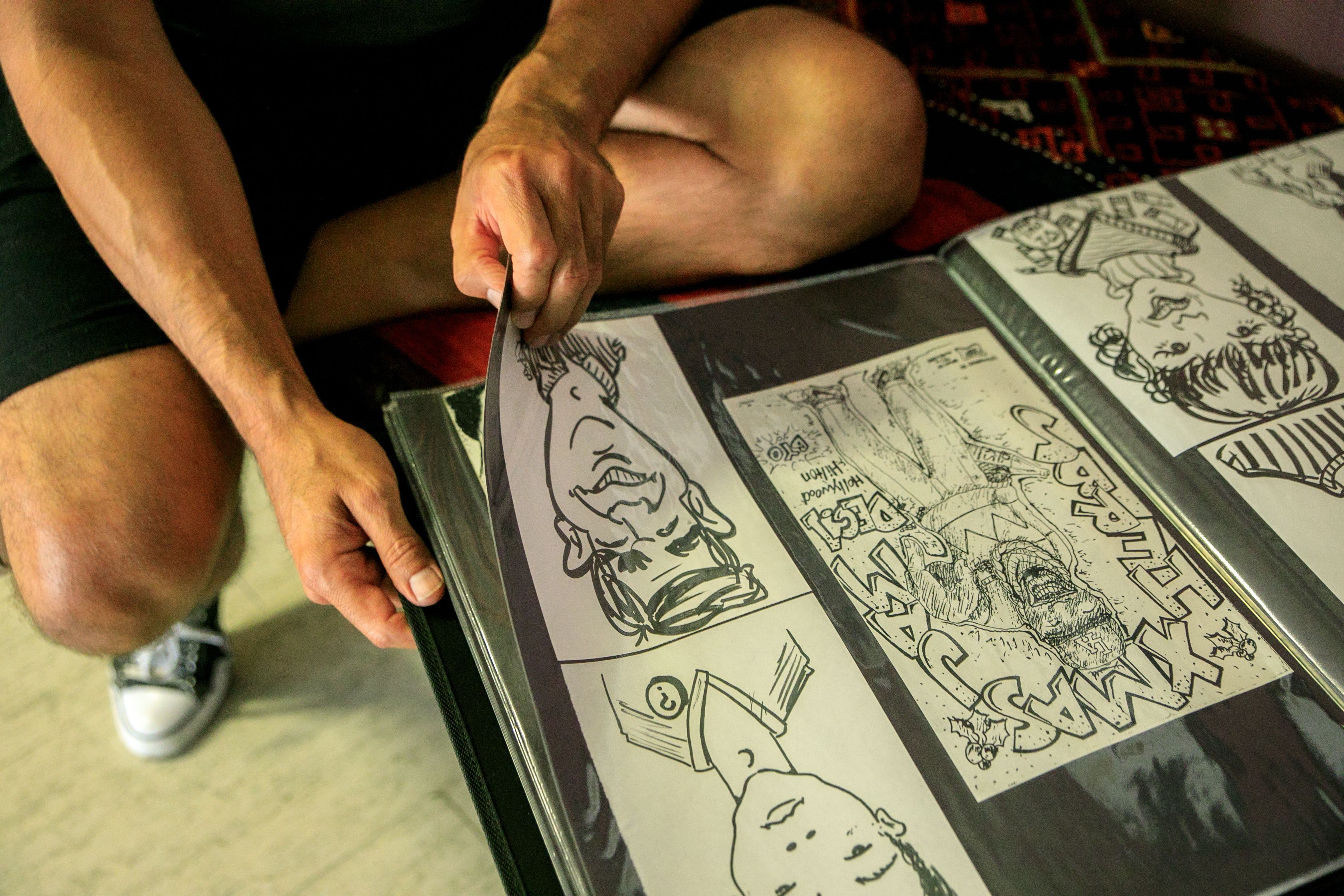
Person turning pages of a printed comic art album, showcasing sequential comic panels

What the detector research actually shows

If you want the sober version of this debate, ignore the leaderboards and read the false positive rates. In a 2024 study that tested automated detectors against human art alongside AI images, the best commercial system, Hive, hit 98.03% accuracy with a 0% false positive rate on human artworks. The next two were a different story: Optic misclassified 24.47% of human artworks as AI, and Illuminarty misclassified 67.4%. In the same study, professional artists hit 75.32% accuracy and expert artists 83%, while the general public in a separate 2025 experiment performed at roughly 50%, or coin-flip level.

Now the harder number. A 2026 zero-shot evaluation of 16 detection methods across 12 datasets and about 2.6 million images found no universal winner, a 37 percentage-point gap between the best and worst detector, and a sharp decline against modern commercial generators. Flux Dev, Firefly v4, and Midjourney v7 defeated most detectors, averaging only 18 to 30% detection accuracy. Older generators such as ProGAN and StyleGAN2 were still caught at 87% and 82%. Detection is losing ground to generation, not winning.

There is a real opposing view here, and it deserves a fair hearing. Security researchers behind the NTIRE 2026 challenge built a benchmark of more than 250,000 images from 42 generators and 36 image transformations, and the top teams reported robust ROC AUC scores above 0.99. Their argument is that detection is improving quickly and that abandoning it is premature. Fine, but a benchmark image is clean, labeled, and collected on purpose. A fan’s screenshot of a compressed Instagram post is none of those things. Even a 1% false positive rate is intolerable when the output is a public accusation that can end a contract.

Futuristic eye rendered with complex network patterns symbolizing AI art detection algorithms

Provenance beats pixel-sniffing

I think the score is the problem, not the art. A detector compresses a complicated forensic question into a single percentage that reads to a stranger as a verdict, and almost nobody who shares that percentage understands the difference between the visual signal and the metadata signal underneath it.

The more useful direction is provenance. C2PA, the open standard behind Adobe’s Content Credentials, lets a camera, a drawing app, or a generative tool attach a cryptographically signed record of what produced a file and what happened to it afterward. The C2PA specifications describe it as a tamper-evident manifest, and crucially, it flags AI actions explicitly through a digital source type field. When it is present and signed, you do not have to guess. You check.

The catch is that provenance only works if the chain survives, and most of the modern web destroys it. Direct messages, screenshots, and social uploads strip the manifest. C2PA also proves only that a file has not been altered since its last signature; it does not prove the scene was real or the artist was honest. It answers the question “what tool made this and when,” which is narrower than people assume and far more checkable than a vibe.

What I would do if I ran a publisher

Stop treating a detector percentage as evidence. A number in the eighties from a system with a documented 24 to 67% false positive rate on human art is not a finding, it is the start of a conversation. The 2024 human-versus-AI art study and the zero-shot benchmark both point the same way: no single automated verdict is robust across styles and generators, and human judgment is accurate but biased toward false positives.

Ask for the working files, not the finished JPEG. Layered source files, timelapses with a visible history, and contractual delivery logs are checkable in a way that a screenshot never will be. Make provenance a submission requirement and keep it, because the credit line is only as good as the audit trail behind it.

And be honest about the false-positive tax. When a real artist is accused of using AI and has to post timelapses to clear their name, that is unpaid labor, and the accusation is often unrecoverable even after the denial. The copyright stakes are just as unresolved: the US Supreme Court declined in March 2026 to hear the case over whether fully AI-generated art can be copyrighted, after the Copyright Office refused to register it for lacking a human creator.

FAQ

Can an AI detector prove a comic panel was AI-generated?
No. It can flag a file using embedded provenance or statistical patterns and return a probability. File-level evidence can be close to conclusive when a valid C2PA manifest is intact. Once a page has been screenshotted or re-encoded, that evidence is gone and the verdict becomes a guess.

Why do AI detectors flag real comic artists?
Because the tells overlap with legitimate tools. Photobashing, clone stamp, 3D reference, and studio production all leave inconsistent backgrounds and blurred detail. Detector false positive rates on human art range from 0% to 67.4% depending on the system, per a 2024 study.

Are six-fingered hands still a reliable sign?
Less than people assume, and comics have drawn strange hands for a century. Inconsistent anatomy is a weak signal on its own. It means something only alongside file-level evidence or a documented workflow.

Do detectors work on new generators like Midjourney v7 or Firefly v4?
Often not. In a 2026 zero-shot benchmark, the best detector averaged 75% accuracy overall but dropped to 18 to 30% against modern commercial generators, while older models like StyleGAN2 were caught about 82% of the time.

What is C2PA and does it solve this?
C2PA is an open standard for cryptographically signed provenance, the technology behind Adobe Content Credentials. It is strong when present and intact, does not survive most social platforms or screenshots, and authenticates a file’s history rather than the truth of what it depicts.

What should a publisher do instead of running an accusation through a detector?
Request working files. Layered source files, timelapses with visible history, and signed provenance are checkable. A detector score is not, and treating it as one is how working artists get hurt.

How this article was put together

I based the detection statistics on peer-reviewed and preprint studies published between 2024 and 2026, including a large zero-shot detector benchmark and a human-versus-AI art study, and on the C2PA specification. The case details come from contemporaneous reporting by Bleeding Cool, Publishers Weekly, The Clarity, and iTech Post. Where no named party confirmed a claim, I say so rather than assert it. Detector accuracy against new generators is moving fast, so treat every percentage here as a snapshot of 2026 and recheck it before relying on it.
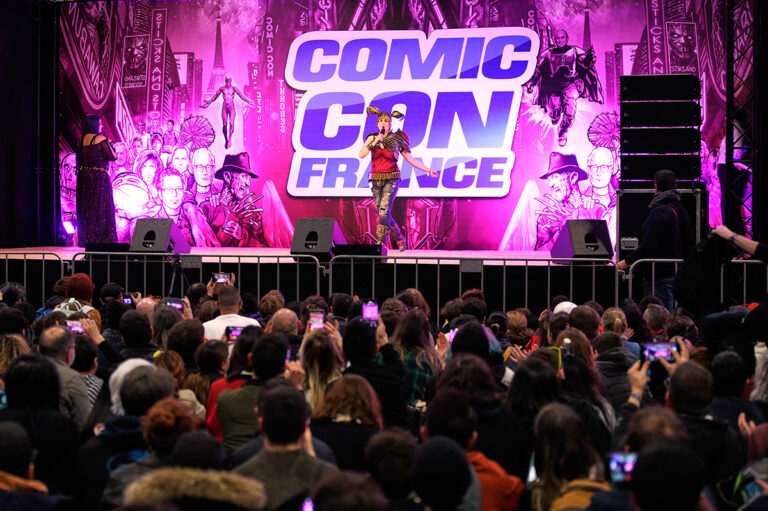
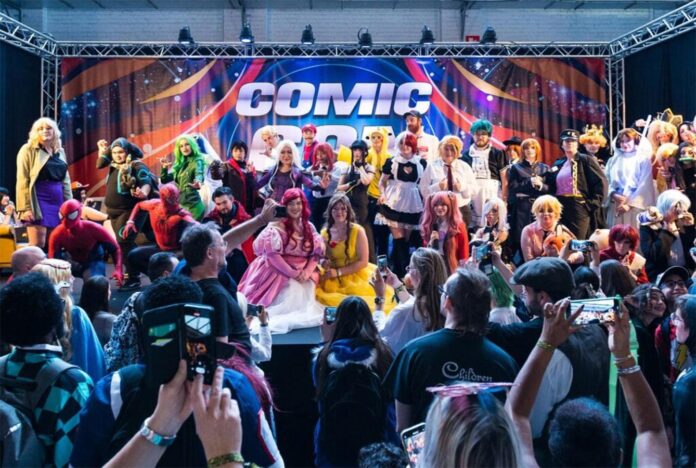
Comic Con Paris 2025 ─ Everything You Need to Know Before You Go

0

Imagine stepping into a universe where vibrant cosplay fills the streets, movie icons stand just a handshake away, and the energy of fellow fans is contagious.

If you’re preparing for Comic Con Paris 2025, get ready for an unforgettable experience that blends pop culture, creativity, and the charm of a city known for its elegance.

Whether you’re a seasoned attendee or new to this world, here’s your ultimate guide to make the most of your time.

Key Points to Remember:

  • Choose accommodations close to the venue for maximum convenience.
  • Prioritize tickets early to access exclusive events and meet celebrities.
  • Explore themed neighborhoods, cafes, and iconic landmarks during downtime.
  • Opt for public transport to avoid parking hassles and city congestion.
  • Pack essentials: a reusable water bottle, portable charger, and comfortable shoes.
  • Plan your schedule wisely to cover panels, meet-ups, and merchandise shopping.
  • Find quieter corners or smaller workshops if the crowd overwhelms you.

What is Comic Con Paris Like?

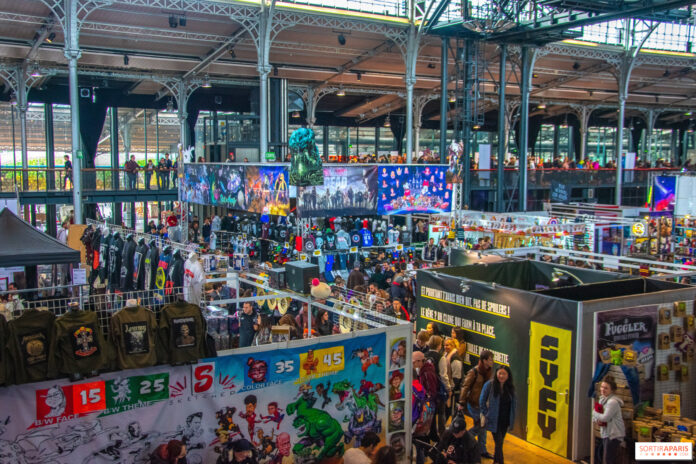
The annual pop culture convention bursts with energy and creativity. Fans, cosplayers, and enthusiasts from all over gather under one roof to celebrate comics, movies, gaming, and TV series. The entire venue buzzes with interactive booths, exclusive sneak peeks, and vibrant merchandise stands. Expect to see iconic cosplays, passionate fans cheering for beloved franchises, and special panels where celebrities share behind-the-scenes stories.

In short, it’s a playground for pop culture lovers where every corner holds a surprise.

Where to Stay Near the Venue

Choosing the right hotel makes a huge difference. You’ll want a place that’s not only luxurious but also close to major attractions for a complete experience.

One of the standout options is La Clef Tour Eiffel Paris, located in the prestigious 16th arrondissement. Housed in a 19th-century building designed by Ricardo Bofill, this 5-star hotel combines elegance, comfort, and proximity. Just steps from the Eiffel Tower and the Arc de Triomphe, it offers a perfect blend of historic charm and modern amenities. Rooms inspired by the 1889 Universal Exhibition provide a serene, luxurious retreat after a bustling day.

Pro tip: Book early. Hotels fill up quickly during major events, especially those near key landmarks.


View this post on Instagram


A post shared by Comic Con France (@comicconfrance)

Planning Your Tickets and Entry

Getting tickets early is non-negotiable. The event often sells out, particularly for VIP passes and autograph sessions. If you’re after exclusive access to meet-and-greets or front-row seating for panels, aim for premium options.

Types of Tickets

  1. General entry ─ Standard access to the venue.
  2. VIP passes ─ Includes priority entry, photo sessions, and limited-edition merchandise.
  3. Day passes vs. weekend passes ─ Choose based on your schedule.

Transport Made Easy

Navigating the city is easier than you think. Public transportation remains the best option to avoid delays and parking stress.

  • Metro ─ The city’s metro system is reliable, and affordable, and connects directly to major event venues.
  • Bus ─ A great alternative for short-distance travel with views of the city.
  • Walking ─ Some areas are best explored on foot. Make time for scenic strolls, especially if you’re near the Seine or iconic landmarks.

Tip: Purchase a multi-day transport pass for unlimited rides.

What to Expect Inside

The event offers something for everyone. Here’s how you can break it down:

1. Panels and Talks

Want to hear how your favorite movie came to life? Panels bring together directors, actors, writers, and industry experts. Be prepared to arrive early, as seats fill up fast.

Source: idboox.com

2. Merchandise and Collectibles

The shopping section feels like a treasure hunt. From rare comics and action figures to custom-made art, it’s a haven for collectors.

  • Pro tip: Bring cash for smaller vendors. Not all stalls accept cards.

3. Cosplay and Photo Ops

Cosplay takes center stage, with attendees showcasing jaw-dropping creations. Don’t miss photo opportunities with cosplayers, themed booths, or elaborate backdrops.

4. Workshops and Interactive Zones

Smaller workshops offer quieter alternatives. Learn about comic artistry, costume design, or voice acting through intimate sessions.

Must-Visit Spots During Your Free Time

The city’s charm complements the vibrant energy of the event. Use your breaks to soak in the atmosphere, discover new neighborhoods, and grab a bite at local cafes.

1. Iconic Landmarks

  • Eiffel Tower ─ Few sights compare to its glittering evening glow.
  • Arc de Triomphe ─ A panoramic view of the city awaits at the top.
  • Montmartre ─ Explore cobbled streets, street artists, and Sacré-Cœur Basilica.
Source: blushrougette.com

2. Neighborhoods to Explore

  • Le Marais ─ Trendy, vibrant, and filled with unique boutiques.
  • Saint-Germain-des-Prés ─ Known for cafes and literary history.

3. Foodie Recommendations

  • Café de Flore ─ Enjoy a classic coffee and pastry.
  • Rue Cler Market ─ Perfect for fresh, local produce and snacks.

Packing Tips for a Smooth Day

A little preparation goes a long way. Here’s a quick list of essentials to pack:

  • Comfortable shoes ─ Expect to walk a lot.
  • Portable charger ─ Keep devices powered for photos and navigation.
  • Reusable water bottle ─ Stay hydrated throughout the day.
  • Snacks ─ Long queues mean quick energy is a lifesaver.
  • Event Map and Schedule ─ Plan ahead to maximize your experience.

Tips for First-Time Attendees

If it’s your first time, here are a few helpful tips:

  • Arrive early to beat the crowd.
  • Split your time wisely between panels, shopping, and exploration.
  • Don’t stress about seeing everything—focus on your top priorities.
  • Take breaks when needed. Look for quieter areas if you need to recharge.
Source: sortiraparis.com

Safety and Convenience

The city is safe for visitors, but staying cautious ensures peace of mind. Keep belongings secure, particularly in crowded spaces. For transport, opt for official taxis or metro rides.

Final Thoughts

Comic Con Paris 2025 promises unforgettable moments. From seeing elaborate costumes to hearing your favorite stars share behind-the-scenes stories, every second delivers excitement. Add to that the timeless elegance of the city, and it’s an experience you won’t forget.

Whether you’re staying near iconic spots or hopping between landmarks, every moment holds its magic. Plan wisely, stay energized, and enjoy every minute. It’s not just an event—it’s a celebration of everything you love.

Start planning now and make memories that will last a lifetime!

Comic Book Printing 2023: 5 Ways to Help Your Comic Stand Out

0

Have you ever thought about what journey comic books need to go through until they finally reach readers’ hands? We can only tell you that it’s a long one, and requires a lot of hard work and time.

The industry is also a rather competitive one since there are so many creative content developers who have been in the game for a long time, and have created already fond their reading audience.

So, if you want to make your art stand out, you better learn a couple of printing tricks to help you draw attention. Of course, the story and the characters are what you need to work on, first. Once you have that covered, a couple of graphic tips will do good for making your art stand out.

If you need help with comic book printing, you can find here. But if you want to learn a couple of tips to make yours stand out from the crowd, continue reading this article, as it is going to cover the five most important ones.

Alternatively, if you’re seeking inspiration and looking to delve into a rich world of well-crafted comic books, you might want to visit Quality Comix. Their extensive collection and wealth of knowledge can provide a needed perspective for budding artists.

How to Make Your Comic Book Stand Out

1. Keep them wanting more

Reading comic book
Source: unsplash.com

The best trick to utilize when it comes to the design and print is to keep things interesting and make readers want to turn the page again and again. In other words, you want to make them hooked, so they are dying for more, dying to find out what happens next.

It’s a piece of good advice, but not an easy task to perform. For this to happen you need to work on your writing skills. Professionals use natural breaks in the action of the plot to place these, so-called, hooks.

They can be anything from revealing something exciting to saying something important. But, try not to make them too obvious. Make them flow through the story and combine them well with the visuals and colors. If you manage to do this successfully, you’ve done a lot.

2. Switch scenes by using colors

Source: unsplash.com

Another trick you can use when printing a good comic book is to transition from one scene to another with the help of the color scheme. In the category of comic books, switching from one scene to another is a challenge, because it needs to be smooth. Otherwise, the readers get confused, stop being engaged in the plot, and give up reading.

Indicating changes with the help of the color is what you want to do. Use colors to indicate or announce a change is about to happen. Using the right color themes can give a subtle signal to the reader that something is about to switch.

3. Pay attention to the speech bubbles

Speach Bubbles
Source: unsplash.com

When you finish the storyline and start working on your storyboard, always keep in mind you should leave enough room for the speech bubbles, and sound effects.

You don’t want everything to be packed with images, in a way that things you want to emphasize get lost in the image. And then you realize you need even more room for speech bubbles.

Also, be aware of the layout. You want everything to be visible, and bubbles with text to be readable. This will avoid your art from being packed up with too many images and text, so the readers do not notice the main character.

4. Use your best writing skills

Source: unsplash.com

If you’re doing comics, you’re definitely talented in both visual and written art. But what makes you unique? Some writers are good at snappy dialogue, some are great at writing action scenes, which of these are you? Wherever you find yourself, use it to highlight your skills in the comic. Highlight what you’re best at.

If it’s the action you’re good at, then make these scenes stand out in your comic, extend them, and so on. This way you’ll keep the readers wanting more. When it comes to the BIOWARS website, it’s clear that the creators have a unique talent for combining stunning visuals with engaging storytelling. They’ve highlighted their skills in both areas, creating a website that immerses readers in a rich and exciting world.

5. Drafting a storyboard

Drafting a storyboard
Source: aaft.com

When you have the story done, the next step is to draft everything and see what the final piece would look like. Drafting your storyboard is the most important tool in the process, as it will finally reveal how the entire piece will look, and if there need to be certain adjustments, as it contains everything from the illustration to the text.

Most of all, it’s the time when you will be able to look at your work objectively, and have a hint of how the reader may feel.

As we said, it’s a long process that requires a lot of hard work. But, with these tips, the journey from an idea to a realization shouldn’t be that daunting.

Comic Books History

Here’s a little something about the comic book history…

Today, we consider any narrative artwork that consisted of images in a sequence to actually be the forerunners of comics (like the Egyptian Book of the Dead or the Roman Column of Trajan, or the graphic satires of William Hogarth).

According to some authors, the story of the comic begins some thousand or two years ago. Epic stories from pre-Columbian America about the warlord and statesman Tiger Claw painted in detail on a tape about 12 meters long, the eighty-meter tapestry from Bayeux, which describes the Norman conquest of England in detail with pictures and text, ancient Egyptian painting and accompanying hieroglyphs, stained glass windows that tell the stories of saints and martyrs in Catholic churches all over Europe – all of them can be considered comics.

However, in the 19th century, in the works of European and American illustrators, comics, as we know them today, began to take shape. As a form of mass media, comics originated at the beginning of the 20th century in the USA with the appearance in daily newspapers, where several features were standardized.

If you found this article to be interesting, don’t miss our latest piece on the comic book industry and how it changed during its history.

This combination of words and pictures soon spread around the world and soon cheap newspaper comic books were being published, and later original comic albums. Today, comics are found not only in newspapers but also in comic albums (books), graphic novels, and web comics.

12 Best Gifts for DC Comics Fans

0

Shopping for gifts can be challenging, especially when you aren’t aware of your loved one’s likes and dislikes. If the person you want to get a gift for is a fan of a superhero universe, such as DC, you can narrow down your choices to find an ideal present that will leave a lasting mark on them.

However, there’s a lot to select from when it comes to DC comic presents, which makes it more difficult to choose. This article outlines the 12 best gifts for DC fans.

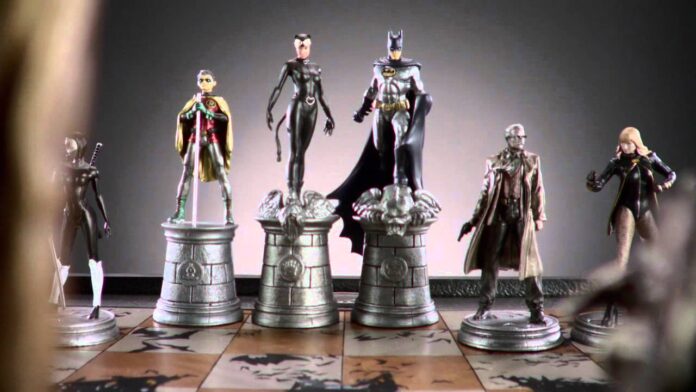
1. DC Statue

Source: bigbadtoystore.com

Batman, Wonder Woman, and Superman are the biggest and most iconic DC comics superheroes. Gifting a comic lover a DC trinity statue from bedrockcollectibles.ca is one of the best ways to help them celebrate the world’s greatest superheroes.

A DC trinity statue is unique because of its design and engineering, which allows statue collectors to show the three characters independently, each with a distinctly designed base. The technique can also combine the superheroes in a single heroic display of the trinity.

The effective representation of Batman, Wonder Woman, and Superman is sculpted in the best quality material, and when assembled, they stand heroically tall.

2. DC Comics Face Masks

Source: amazon.com

Face masks are a fun, cool way for comics fans to showcase their love for the DC universe superheroes. Getting face masks for a loved DC fan is an excellent way to help them dress like their favorite superhero. When choosing face masks, consider the ones with a curved nose bridge and adjustable ear loops for a secure and smooth fit. You can also get them replaceable filters so they can protect themselves and others like a real superhero.

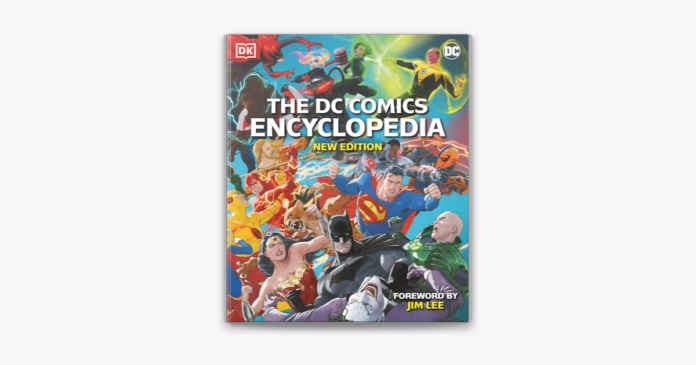
3. DC Comics Encyclopedia

Source: books.apple.com

The DC encyclopedia is a perfect gift for a comic fan. It’s a reference guide to the DC universe’s characters and a great addition to each comic fan’s bookshelf. The encyclopedia has exciting art and information to educate readers about the DC universe. Buy the latest editions because Superman, Wonder Woman, Batman, and other iconic superheroes have gone through a transformation in recent years.

4. DC Comics Water Bottles

Source: calendarclub.co.uk

DC comics water bottles are thoughtful gifts for a DC comic lover. The ideal water bottle can be leak-proof, insulated, dishwasher safe, and have other features that make it stand out. The merchandise may come in various styles, designs, colors, and sizes, allowing you to personalize your gift. Buying a water bottle with your loved one’s favorite superhero features is an excellent way to help them stay hydrated while showing their love and devotion to the DC fans.

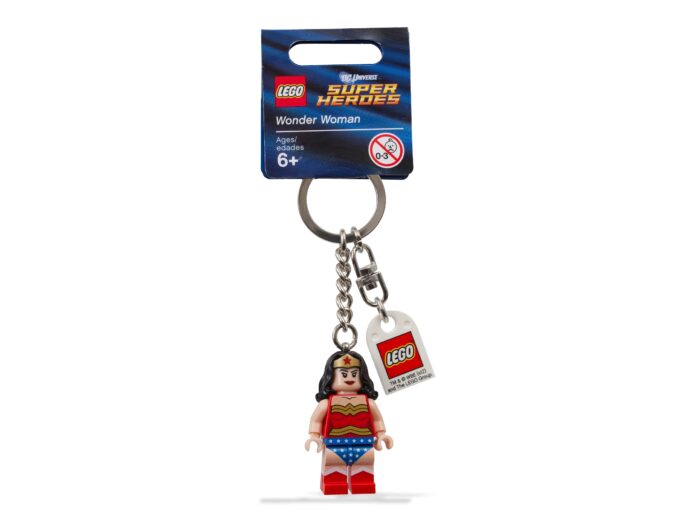
5. DC Comic Keychains

Source: lego.com

If you want a DC comics fan to feel like their favorite superhero, you can give them a keychain. This can give them that extra glory whenever they open their house and car doors. If your mum, wife, or girlfriend is a Woman Wonder lover, a Diana Prince or Wonder Woman keychain would be perfect.

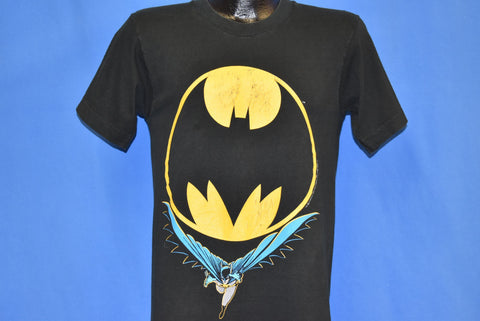
6. DC Comics Shirt

Source: thecaptainsvintage.com

A shirt with all the DC comic characters is one of the best ways to display admiration for specific characters. This can be a meaningful gift for a fan.

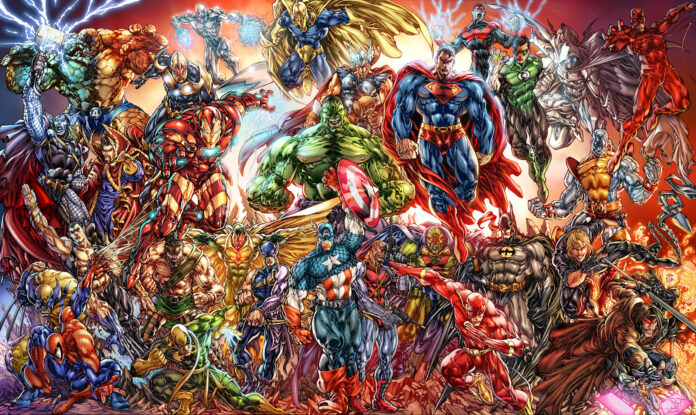
7. DC Comics Character Collage

Source: wall.alphacoders.com

A character collage is a unique and creative gift for celebrating DC comics fans because they’re flexible, timeless, and completely customizable. Choosing a picture frame is simple, especially if you know the characters your loved one is crazy about. You can have scenes and characters from their favorite comics assembled on the design to personalize and make it more memorable.

Also, all character collage allows you to experiment and explore different frame sizes and styles, giving you budget flexibility. With this gift, you don’t need to worry about looking for something age-appropriate because it’s a good fit for every DC comics fan.

8. A Personalized DC Comics Whiskey Decanter Set

Source: etsy.com

A customized whiskey decanter set engraved with a favorite character or logo and a line from one of the best scenes or their name makes a meaningful gift idea. It’s perfect for scotch, bourbon, and whisky and an excellent way to help your DC comics lover friend or family showcase their love for their beloved character while showing off their alcohol in style. If the DC comic fan you’re gifting loves enjoying their spirits, a personalized whiskey decanter set is a gift they’ll forever remember you for.

9. A DC Chess Set

Source: youtube.com

A DC comics chess is a creative gift option for a fan who enjoys playing chess. Gifting them a chess set, a board, and a clock. A carrying case would come in handy if they already have these, especially when moving the gear around.

A silicone chess board will make a perfect gift if the person you’re shopping for has a vinyl board. This is because silicone doesn’t crease, creating a better play experience. Ensure the DC chess gifts you get have the fan’s favorite character or comic logo. For instance, if your comics fan friend likes Batman, a Batman chess set would be the perfect gift.

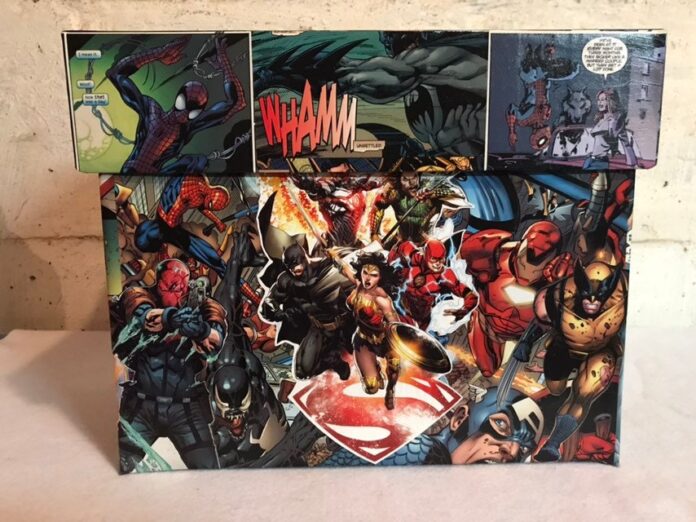
10. A Personalized Comic Book Storage Box or Crate

Source: etsy.com

A DC comics fan who’s a book lover is likely to have many comic book collections. A comic book storage set would make the best gift for them. The storage set is an excellent way to keep their space organized while displaying or preserving their treasured possessions.

Get the storage set engraved with their favorite characters to showcase their love for them. If they have several comic character favorites, including Batman, Spiderman, and Superman, you can get them three storage books, each with a different character logo.

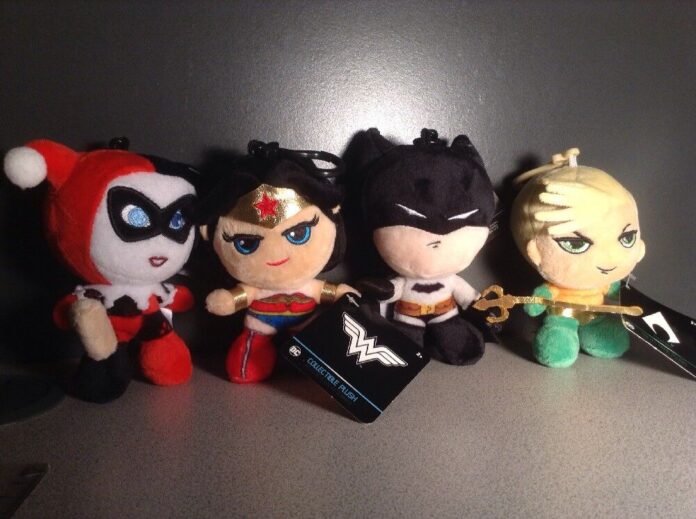
11. A Comic Plush Backpack

Source: ebay.com

A comic plush backpack would make a cute and unique gift for DC comic-loving kids to bring wherever they go. A bag with their favorite character on it will make them the happiest.

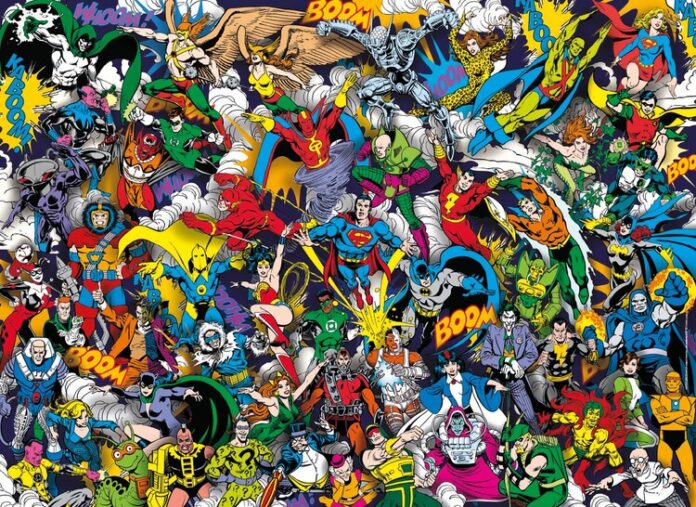
12. DC Comics Puzzle

Source: abposters.com

Puzzles are a great gift idea that you can consider at any time of the year. They’re a perfect choice because you can find puzzles suitable for all ages, including adults and children. Getting a DC comics fan a superhero puzzle is an excellent way to keep them hooked to their games.

Endnote

Choosing presents for comic lovers can be challenging. However, these gift ideas can help you leave a lasting mark on their hearts.

How Fast Is the Flash in the Comics? – Which Flash is the Fastest?

0

Flash has always been one of the most popular superheroes in the DC Comics universe. He was created by writer Gardner Fox and artist  Harry Lampert, and first appeared in Flash Comics #1 back in 1940.

Since then, he’s starred in dozens of comic books and TV shows, and there is a movie in the making that is scheduled to be released in the United States in June 2023.

So, what makes Flash so special? For starters, he’s incredibly fast. He can run and move at incredible speeds, which is why he’s so good at chasing after criminals. Plus, his ability to jump high into the air gives him an advantage when it comes to fighting villains on high buildings or out in the open desert.

But Flash isn’t just limited to running and jumping. He also has a wide range of superpowers, including the ability to shoot powerful lightning bolts from his hands, control objects with his mind, and project images of himself into other people’s minds. Combined with his speed and strength, these abilities make him one of the most powerful superheroes out there!

Read our article about all DC comics superheroes to find out how many of them are there.

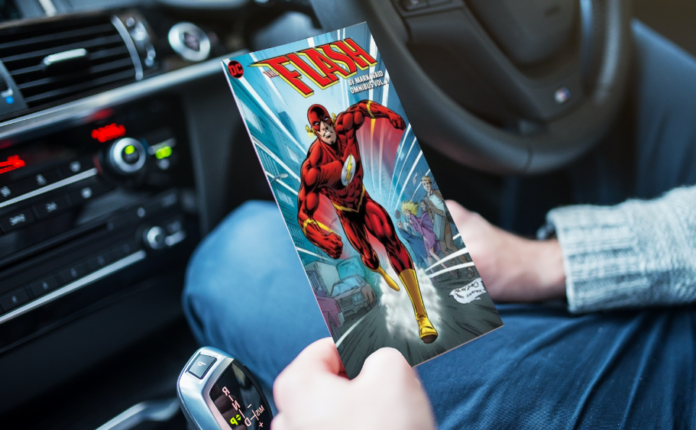
The Flash comic book

How Fast Does the Flash Run?

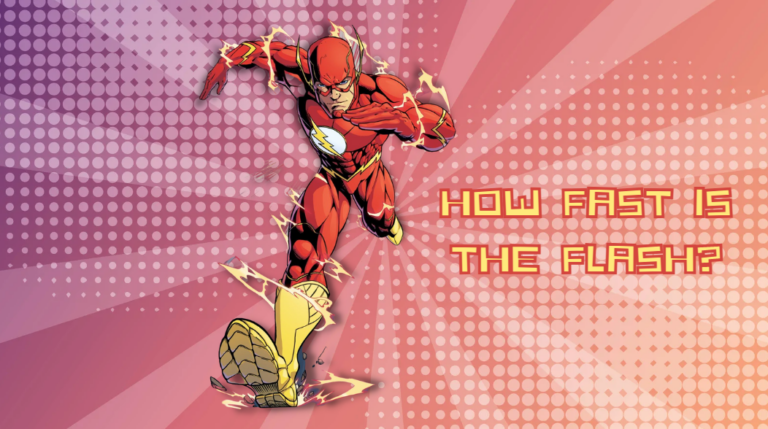
The Flash is one of the fastest-moving characters in comics. He can run and move at speeds that are far greater than that of any human.

In the comics, when the Flash runs, he can travel at speeds of up to 2.5 quintillion Miles Per Second! This is fast enough to catch a speeding bullet in midair.

Have in mind that his speed often depends on the writer’s imagination, however, this number is suggested after the release of Justice League of America, Ep #89 when Flash saved 532k people from the nuclear bomb in Korea. To save all the people, it took Flash 0.00001 microseconds. By using simple math, we came to the speed of 2.5 quintillion MPs.

In some cases, he’s able to run so fast that he can travel through time.

Which of the three Flashes is the fastest?

Jay Garrick Can run as fast as the speed of sound in the air 343 meters/sec
Barry Allen Has the speed of light in a vacuum 3*108  meters/sec
Wally West Goes way beyond the speed of light in a vacuum 2.5 quintillion MPs

That means that Wally West is by far the fastest Flash.

What Causes the Flash to Flash?

How Fast Is The Flash

Most people know that the superhero Flash can run fast because he is able to move at incredible speeds. However, there are some theories about why he is able to move so quickly.

Some believe that the Flash’s super speed is due to his ability to move through the Speed Force. The Speed Force is an energy field that connects all of the universes and it has been shown to be a source of power for some superheroes, including the Flash. It’s possible that by moving through the Speed Force, the Flash is able to move faster than normal.

Another theory suggests that the Flash’s super speed is because he has incredibly elastic muscles which are capable of stretching and contracting very quickly which gives him enough power to run fast.

Also, there is a theory that he can run fast because he consumes a lot of energy from friction. When he runs, the air resistance against his body creates heat, which he needs to dissipate in order to keep moving. This process is called “exchanging heat.” Flash’s costume is made of lightweight material that allows him to move quickly without getting too hot.

Conclusion

There are many theories about why the Flash can move so fast. Some believe that his speed is due to his ability to move through the Speed Force, while others say it’s due to his elastic muscles and the energy he consumes from friction.

Regardless of the reason, it’s clear that the Flash is one of the most impressive superheroes around!

If you love comics and have too many of them, we suggest you read our post on how many of them fit in a long box.

How Did Nick Fury Lose His Eye in the Comics – Marvel Comics

0

Nick Fury is one of Marvel’s most iconic and popular characters. He’s a tough leader and an expert fighter, but how did he lose his eye in the comics? And what does this have to do with marketing?

Well, if you want to create a character that your audience will love and identify with, it’s important to show them what they’re passionate about. In Fury’s case, that passion is fighting injustice. And by showing his injury and its consequences, Marvel was able to drive home the emotional impact of this fight against evil.

Comic Book Character

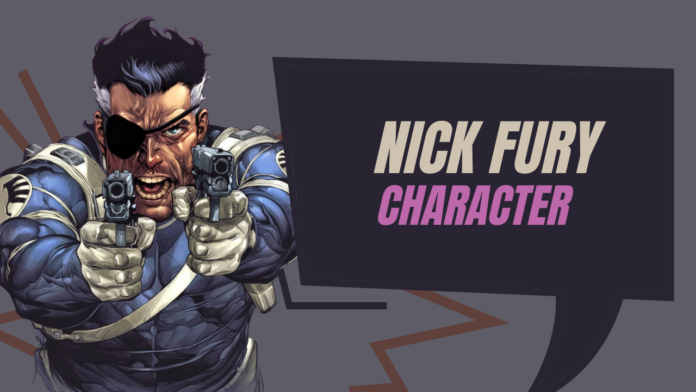
Nick Fury Character

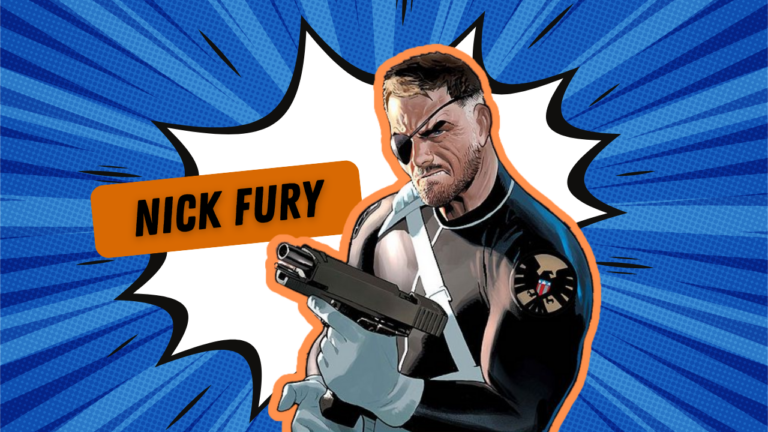
Nick Fury Sr., or Colonel Nicholas Joseph, is a fictional character appearing in American comic books published by Marvel Comics. The character was created by writer-editor Stan Lee and artist Jack Kirby, and first appeared in the anthology comic book Fantastic Four #1 (May. 1963). His backstory was originally explained in Sgt. Fury and His Howling Commandos #27.

He is a powerful and skilled fighter who has led S.H.I.E.L.D.’s operations for many years and is a trusted advisor to the president of the United States on national security issues.

Fury’s backstory is complex. Fury is responsible for protecting humanity from all sorts of threats. He’s always been a formidable fighter and an experienced leader. He was born in New York City and he is the eldest son of Jack Fury.

In addition to his work as Director of S.H.I.E.L.D., Fury also frequently appears in Marvel’s other superhero franchises such as “The Avengers“, “Iron Man”, “Thor” and “Captain America”. He has also appeared in various spin-off comics such as “Nick Fury: Agent of S H I E L D” and “Nick Fury: Agent of T H E F U RY”.

Theories About His Eye Loss

There are a number of theories about Nick Fury’s eye loss in the comics, but no one has been able to come up with a definitive answer. Some say that Fury lost his eye in battle, while others believe it was caused by a hit from a particle beam. Whatever the case may be, fans have been wondering how Fury lost his eye for years.

The origin story of Nick Fury’s Eye Patch

Nick Fury’s Eye Patch story

The comic starts with World War II and follows him and his team as they secretly disable a bomb from shooting down allied planes by sneaking behind Axis lines. During the mission, however, one German soldier lobs a hand grenade at the squad, and Fury heroically intercepts it but loses an eye in the process.

Thankfully, over the years Fury has been able to compensate for his loss by utilizing various secret skills and gadgets that he has acquired throughout his career as S.H.I.E.L.D.’s director. For example, he is able to use a special eyepatch to help him see in dark environments, and he also frequently relies on his formidable intelligence and strategic planning skills to get himself out of difficult situations.

However, even with all of Fury’s abilities, it would still be difficult for him to accomplish many tasks if he couldn’t see properly. This is especially true when it comes to combat situations; without eyesight, Fury would be unable to aim his shots accurately or take advantage of enemy weaknesses in battle. Consequently, losing one’s eye can often lead to a decrease in one’s ability both physically and mentally… which is exactly what happened to Nick Fury in the comics!

Reaction to Nick Fury’s Eye Loss

Nick Fury’s Eye Patch story reactions

Since then, fans have been wondering how he lost the eye and what happened to it. In recent years, writers have come up with a few different explanations for Fury’s injury, but none of them are really satisfying.

Some say that Tony Stark blew Fury’s eye out with a missile blast, while others claim that he was injured when an alien entity attacked him and ripped his eye out. However, most fans believe that Nick Fury actually lost his eye in an alternate reality where he was killed by Wolverine. Regardless of its actual cause, Fury’s missing eye has always been one of Marvel’s most iconic injuries…

Conclusion

In the comics, Nick Fury lost his eye when he intercepted a Nazi hand grenade thrown at Howling commandos.

This injury has been interpreted in various ways over the years, but fans have always been curious about how Fury lost his eye and what happened to it.  Regardless of its source, Fury’s injury is one of Marvel’s most iconic features and has been used to drive home the emotional impact of many storylines.

If you love comics and have a lot of them we suggest you read this article on how to fit them in a long box.

How Many Comics Fit in a Long Box? – Ensure Comic Strips Longevity

0

In the world of comics, size is everything. Not only do you have to worry about the size of your issues, but you also have to worry about the size of your boxes. For some publishers, it can be difficult to fit more than a few comics into a single container. And when you’re dealing with long-running series or collections, that can be a real challenge.

In this article, we will explore exactly how many of them fit in a long box and how you can maximize the space you have. By understanding the dimensions, you can make sure your products are presented in the best possible way.

How Many Books Does a Long Box Hold?

Long Box Hold for comic books

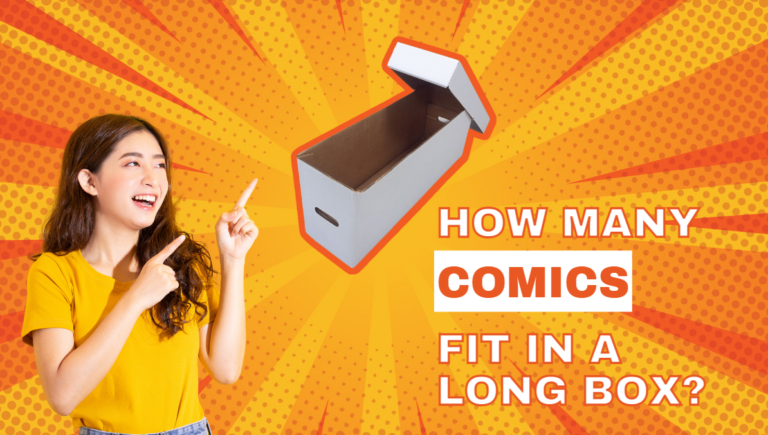
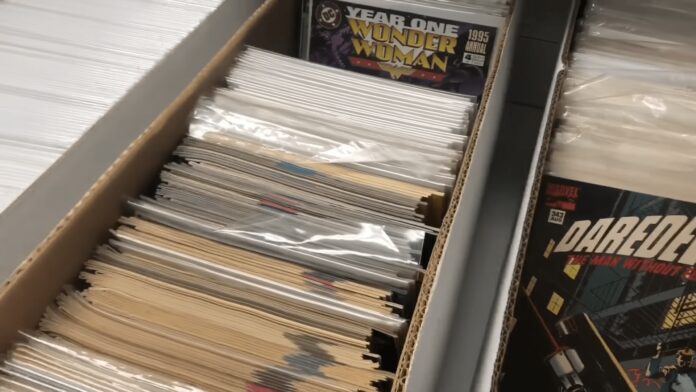
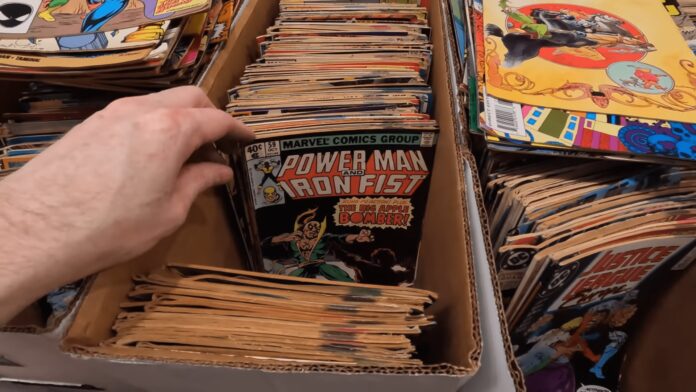
A long box is a perfect solution for storing. It holds a lot of comics, and it’s easy to move around. If you have a lot of them, or if you just want to organize them better, a bigger one is a solution for you. There are a lot of factors to consider when determining how many of them fit in it. The size, the thickness of the cardboard, and the dimensions of the container all play a role.
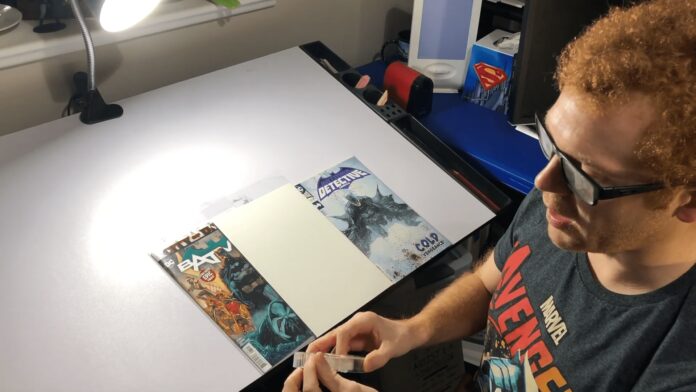
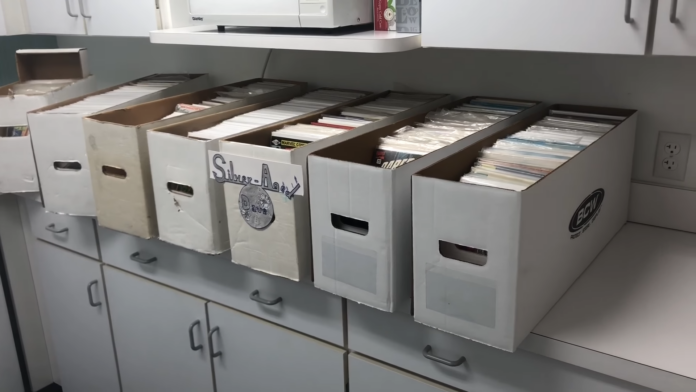
There are different sizes of long containers, but the most common size is 36 inches wide by 24 inches deep by 6 inches high. That means that it can hold 300 strips. If you have more than 300, you can stack them on top of each other so that they fit in the box better.

When it comes to a box with a length of 18 inches and a width of 12 inches, it will hold around 192. However, this number can vary depending on the size and shape of them, as well as the quality of the packaging.

How much does a box full of comics weigh?

comic books storage box

A long box full of these types of books can weigh anywhere from 10-30 pounds depending on the size and number of them. A standard comic container contains 24 issues of books, so a long one would contain around 300.

What is it worth?

A long box can be a valuable collector’s item. Some major publishers, such as Marvel and DC, release multiple books every month. Collecting all of these issues can be costly and time-consuming. However, a box of comics may only be worth a fraction of its original value.

The value depends on the condition, rarity, popularity and publisher of the book. A box of new, unused comics in perfect condition can sell for up to $200+, while older, used ones can sell for around $10-15 each. It’s important to note that the value of the book series will also depend on whether or not the series is currently being published, as well as any special features or cover art included.

For example, a box of Marvel Strips from the late 1960s or early 1970s can be worth a lot more than one of the newer ones.

comic book colector box

Long box vs Short box for storing

When storing them, it can be helpful to know the difference between a long box and a short box. A long box is typically taller than it is wide, which makes it easier to stack multiple volumes on top of each other. A short box, on the other hand, is wider than it is tall, which makes it more efficient for storing individual comics.

Ultimately, the size of the storage container you choose depends on your personal preferences and how much space you have available.

For example, if you have a lot of them and want them to be easily accessible, then a long box might be the best option for you. If you only have a limited amount of space and want to save money by using less storage space, then a short box might be better suited for you.

How often should you replace bags and boards when storing these types of books?

comic book bag

As a general rule, book collectors should replace bags and boards every 6-12 months. This is based on the average life of a comic book bag or board – which is typically around 3-6 months.

If they are stored in an environment with low humidity levels, they may last even longer. These book-type collectors who frequently check their collections for signs of wear and tear may want to replace bags and boards more often, depending on how frequently they handle the strips.

If you store them in a cardboard or plastic protector sleeve, it’s probably not necessary to replace the bag and board every month. However, if your sleeves get moist or if they start to tear, it’s time to replace them. You can usually find new protectors at comic book stores, or online.

5 Tips to Properly Store Your Comic Books

It’s important to properly store your comic books in a cool, dry place to ensure their longevity. Here are some tips:

  1. Keep your comic books in a cool, dark place where they will not be damaged by sunlight or heat.
  2. Do not stack your strips high in a closet or cabinet; this can cause damage to the covers and pages.
  3. Store them in a plastic bag to protect them from dust and other airborne particles.
  4. Do not leave them out in the open where they can be damaged by rain, snow, or other elements.
  5. If you do decide to store your strips on shelves, try to position them so that they are facing away from direct sunlight or heat sources.

Conclusion

When it comes to comics, many people have a love/hate relationship with them. Some people can’t get enough of the medium and others find it tedious and repetitive.

Regardless of whether you’re a big fan or not, you probably know that they fit in long boxes pretty easily. So if you’re ever looking for an easy way to store them, try using a long box instead of those flimsy shelves.

Don’t miss out on our list of the best lesbian and gay comic strips.

Top 10 Best Gay Comics 2023 – LGBTQ+ Manga & Graphic Novels

0

Comic books have long been a staple in the American comic book industry, and for good reason. They are an incredibly powerful medium that can tell stories with complex plots and engaging characters in a way that no other medium can.

Whether it’s exploring the gritty underworld of crime comics or the lighter side of romance comics, there is a comic book out there for everyone.

But what if you’re not interested in superhero tales or romance? What if you’re looking for gay comics? Well, you’re in luck! There are plenty of great gay comic books out there that are sure to interest you, whether you’re a fan of LGBTQIA+ content or just want something different to read.

In this article, we’ll take a look at some of the best gay comics available today and give you a rundown on what to expect from each one. So be sure to check them out and see why they’re some of the best comics around!

The Magic Fish

What is a Gay Comic?

For many, it is a comic book that celebrates love and all that comes with it. Whether you are gay, straight, or somewhere in between, these comics are sure to touch your heart. From coming out stories to love triangles, there is something for everyone in the gay comics genre. Here are some of our favorites:
The Normal Heart by Alan Moore and David Lloyd. This graphic novel follows the intersecting lives of several characters in the early days of AIDS. Moore and Lloyd’s beautifully rendered panels portray both the terror and hope of a time when knowledge was scarce and acceptance still far off.

-Love is Love by Marjane Satrapi. This autobiographical series tells the story of an Iranian girl who falls in love with a woman during the Iranian Revolution. The political turmoil and homophobic violence that follow make for a powerful story of love against all odds.

-Booster Gold by Dan Jurgens and Brett Booth. This DC Comics series follows a young man who is given the power to transform into a superhero after he suffers a major injury. Though he initially uses his powers to help others, Booster eventually discovers his true purpose: to fight for justice, no matter who or what is standing in his way.

THERE ARE THINGS I CAN'T TELL YOU comics book

The Types of Gay Comics

There are many types of gay comics, each with its own distinct appeal. Some focus on lighthearted fun, while others delve into more serious issues. Whatever your preference, there’s a gay comic out there for you. Here are just a few of the most popular types of gay comics:

Silver Age Superheroes: If you’re a fan of classic DC and Marvel superheroes, you’ll love these comics. They take the characters and set them in a world where homosexuality is accepted and celebrated.

Uncanny X-Men: This series tells the story of young mutants who must come to terms with their sexuality while battling the evil forces that would seek to destroy them. It’s an exciting and engaging series that will leave you wanting more.

Gay Romance: This type of comic focuses on heartwarming tales of love between two men. Whether they’re fighting against society’s expectations or simply trying to find their way in life, these stories are sure to tug at your heartstrings.

List of Best Gay Comics

There are so many great gay comics on the market today that it may be hard to start looking or finding the right one for you with such a packed market. In the section below, we have listed some of the best-reviewed and most popular gay comics.

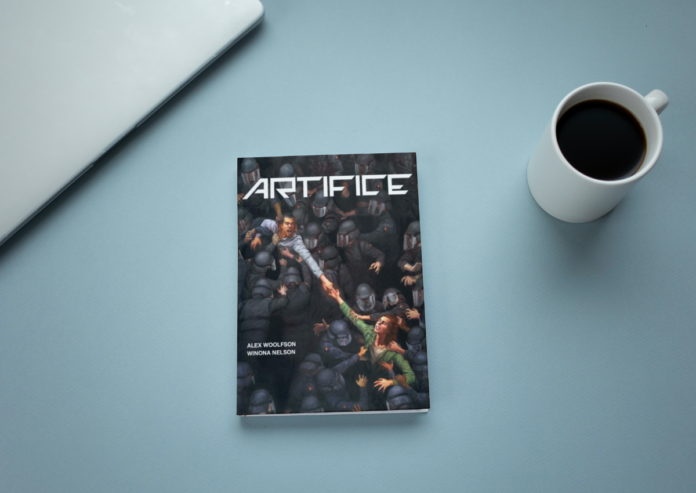
1. Artifice – Alex Woolfson and Winona Nelson

Artifice - Alex Woolfson and Winona Nelson

If you are a fan of engaging sci-fi stories, Artifice might be exactly the type of gay comic you want. It is a fast-paced adventure that raises lots of questions about what it actually means to be human. It is a story about a powerful android soldier who messes up his latest mission from his corporate overlords.

The corporation is not happy, so they send him to meet with a robopsychologist who is on the mission to uncover Deacon’s secrets and ensure he never again acts out of line. The story is full of romance, action, and detailed world-building.

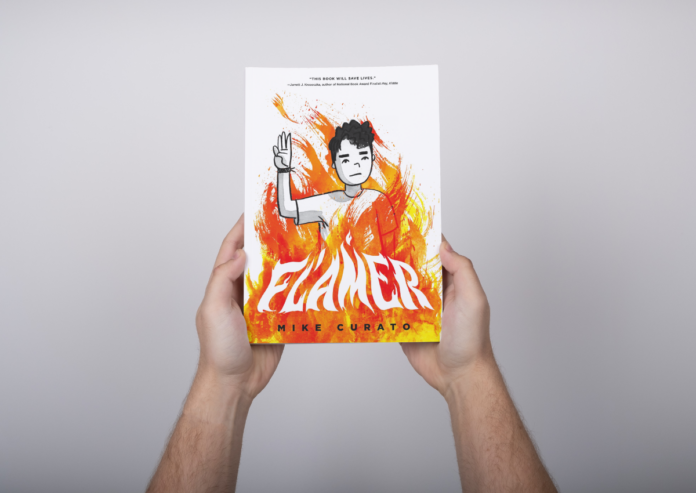
2. Flamer – Mike Curato

Flamer - Mike Curato

Flamer is a comic that does not shy away from tough material but ultimately delivers a hopeful story about self-love and acceptance. It is a story about Aiden Navarro, who is spending the summer before high school at the camp, which turns out to be far from the escape he hoped it would be.

He constantly thinks about his friend Elias, but he does not want to think about why that is the case. To make matters even worse, the camp is full of the same type of bullies that his middle school had. This is a great story of restless adolescence and self-discovery that deeply resonates with gay teenagers and adults.

3. Bloom – Kevin Panetta and Savanna Ganucheau

Bloom - Kevin Panetta and Savanna Ganucheau

Bloom is a love story set in a bakery centered around Ari, who just graduated high school and has dreams of leaving for the big city to become a musician. Instead, he is stuck working with his family in a bakery that struggles to achieve profits.

Baking is definitely not Ari’s dream job, but a lot of that starts changing when he meets Hector, who loves baking as much as he hates it. They work together all summer long, baking batch after batch of bread, which ultimately changes Ari’s perspective.
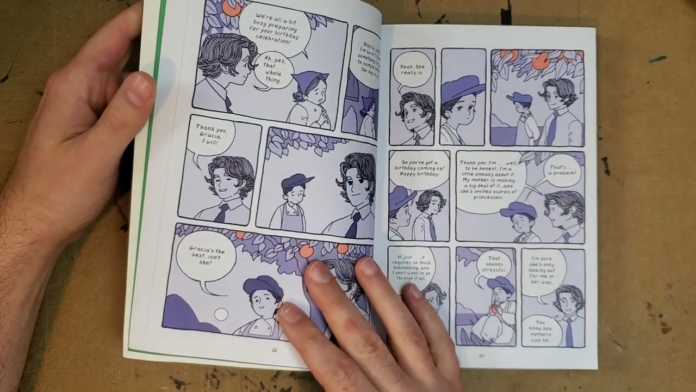
It is slow pace, quiet, but very moving story about what happens when you let go of your predetermined plans and ideas about your life and follow your heart.
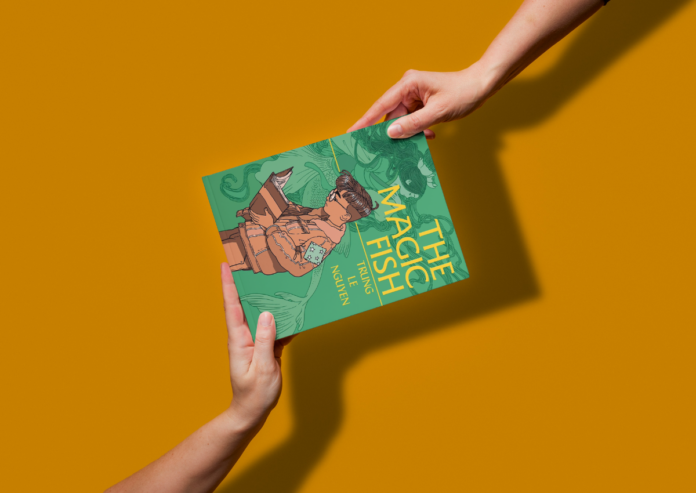
4. The Magic Fish – Trung Le Ngyuen
The Magic Fish - Trung Le Ngyuen

The Magic Fish is a beautiful story about family, fairytales, language, and the power of stories. It is centered around Tien, who is a Vietnamese American boy who loves his family and wants to come out to them, but he does not know how to do it.

He then turns to his beloved fairytales, the books he reads his mother each night. The writer reimagines these fairytales into a contemporary story about Tien and his immigrant family. He turns them into the love they have for each other, the challenges they face, and the ways they support each other in testing moments.

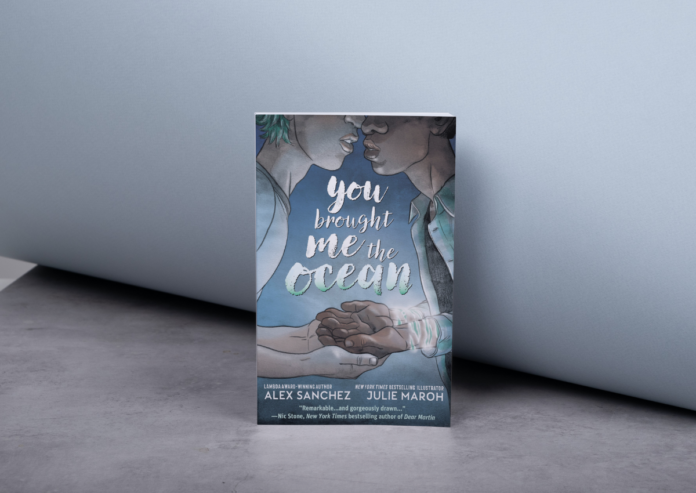
5. You Brought Me the Ocean – Alex Sanchez and Julie Maroh

You Brought Me the Ocean - Alex Sanchez and Julie Maroh

Partnered up with talented illustrator Jullie Maroh, Alex Sanchez is the maker of this coming-of-age graphic novel that tells the story of an ocean-loving boy growing up in a desert town. The main character of the story is Jake, who has not gone for a swim ever since his dad drowned, but he longs for the water.

His crush on his swim school team and the captain, Kenny Liu, also does not offer any help in this regard. Jake and his best friend Maria struggle with all the distress of growing up, and during this process, Jake turns to the water to help him find the courage to be himself and share that self with the rest of the world.

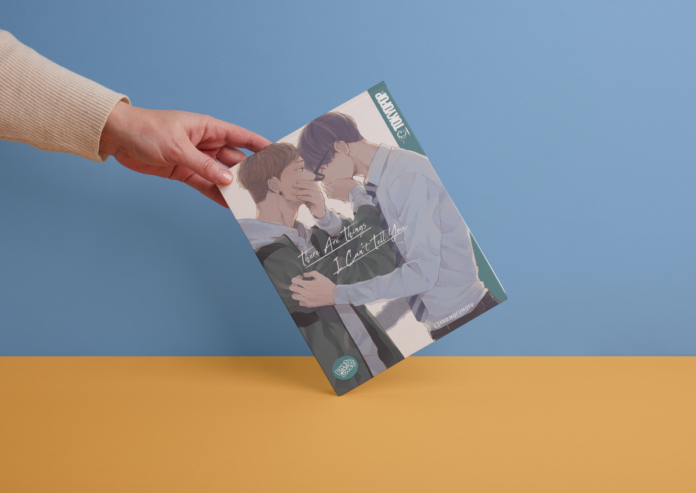
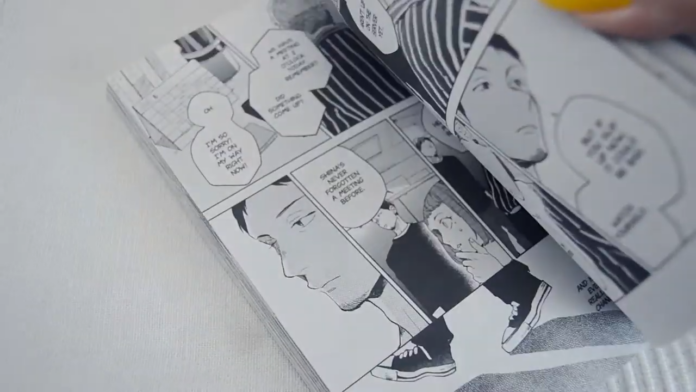
6. There Are Things I Can’t Tell You – Edako Mofumofu

There Are Things I Can’t Tell You - Edako Mofumofu

There Are Things I Can’t Tell You is an angsty but generally happy manga created by Edako Mofumofu. It is a story about complications that occur when childhood friendships change once we reach adulthood. The main characters are Kasumi and Kyousuke, that are opposite in so many ways.

Kasumi is quiet, but Kyousuke is an outgoing and very energetic person. They have been best friends since elementary school, but when they reached adulthood, their relationship started to change. If you enjoy emotional and romantic stories that break your heart and then put it back together again, this graphic novel is for you!

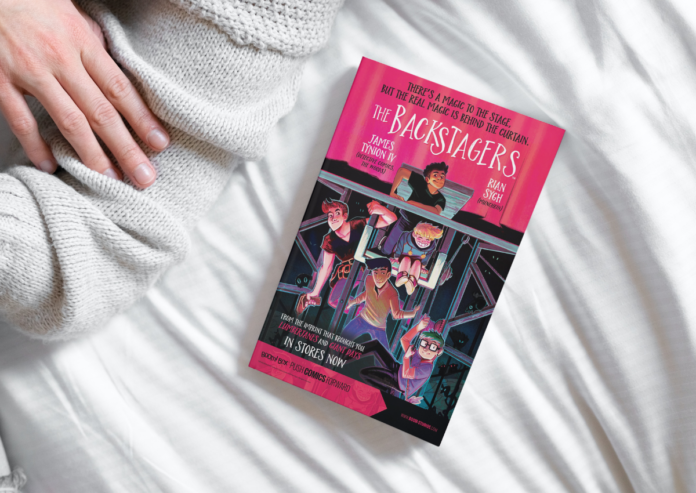
7. The Backstagers – James Tynion IV, Rian Sygh, and Walter Baiamonte

The Backstagers - James Tynion IV, Rian Sygh, and Walter Baiamonte

The Backstagers is a charming, joyful, all-ages comic that follows the story of a group of queer and trans boys in the stage crew at their high school. Little that the rest of the school knows, the backstage area is actually a portal into a magical world full of monsters and magic.

The boys are often in situations where they need to save the show and the whole school from the dangers that come from this mysterious portal. It is a high-stakes adventure that features several adorable gay love stories.

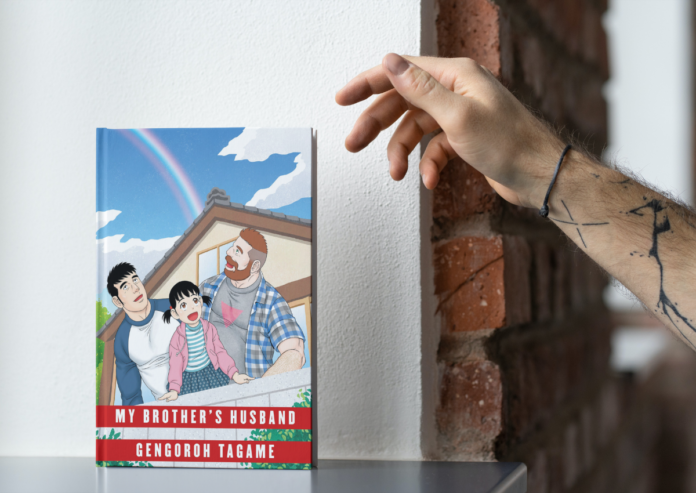
8. My Brother’s Husband – Gengorh Tagame

My Brother’s Husband - Gengorh Tagame

My Brother’s Husband is a thoughtful and heartwarming manga about Yaichi, a single dad raising his daughter Kana in Tokyo. When Mike arrives, their lives completely change. He is the Canadian husband of Yachi’s recently deceased twin brother Ryoji.

Mike arrived in Tokyo, still grieving, in an attempt to learn more about Ryoji’s past and the family. Yaichi takes him in and is forced to confront his feelings about his estranged brother and LGBTQ+ people generally. It is a hopeful and heartwarming story about the bonds that tie family, and it is well worth checking out.

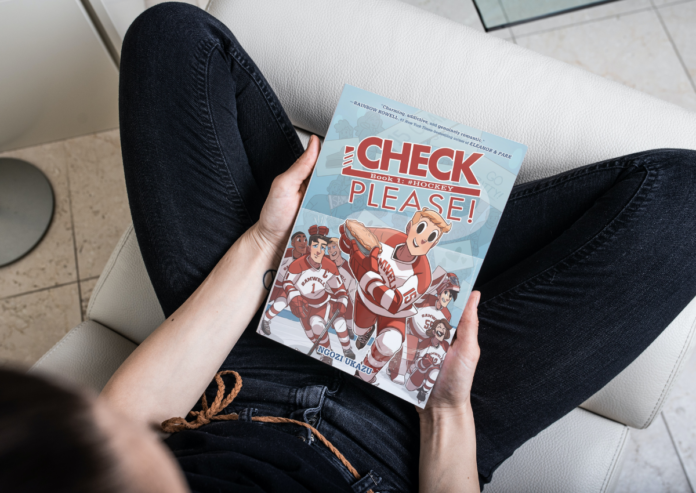
9. Check, Please! – Ngozi Ukazu

Check, Please! - Ngozi Ukazu

Check, Please! is a heartwarming, funny, and affirming story that follows Eric Bittle, a gay, pie-baking hockey player, over the course of his college career. It is also a slow-burn romance story that, along the way, speaks about the importance of friendships, college life, family, sports, and many more interesting topics.

It is a compelling story that instantly connects you with Bitty and his group of friends and teammates. This is a story that you will read as fast as it is possible and probably will not be able to stop smiling even after you are done reading!

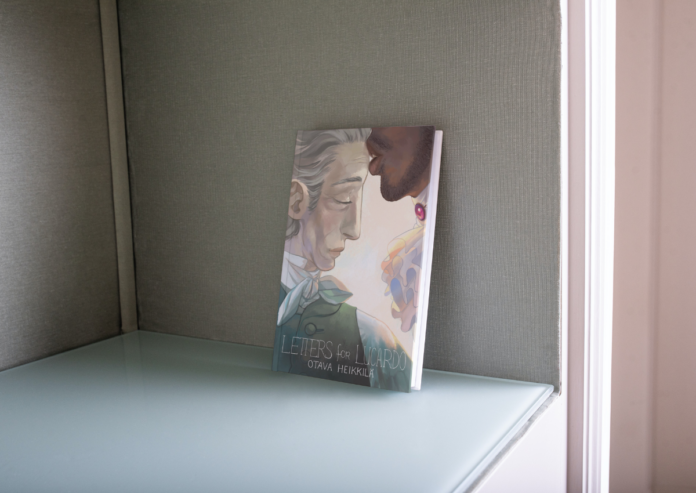
10. Letters for Lucardo – Otava Heikkila

Letters for Lucardo - Otava Heikkila

Letters for Lucardo is a historical vampire comic that tells the love story between Ed Fielder, a 61-year-old mortal man and royal scribe, and Lucardo von Gishaupt, an aristocrat and an eternally young vampire.

When they fall in love, they are forced to deal with the contempt Ed faces as a mortal man in the midst of the Night Court, which is the mysterious immortal society to which Lucardo belongs. It is a beautifully drawn romance that explores everlasting topics of mortality and aging.

Frequently Asked Questions

1. Are there any LGBTQ+ comic book characters?

Absolutely, LGBTQ characters have existed in comic books for decades now. Some of the better-known examples from mainstream comics include Northstar, Iceman, and Rawhide Kid from Marvel, and Batwoman, Catwoman, and Extrano from DC Comics.

2. Who was the first gay superhero in Marvel comics?

Marvel’s first gay superhero was Northstar, who was introduced back in 1979. He was also the first gay hero in the whole superhero genre. Unfortunately, the Comics Code Authority censored scripts that were explicit on the matter of his sexuality, and for years, writers employed subtext to leave some hints for their audience to pick up.

3. Who was the first openly gay superhero in the history of comic books?

Extrano was the first openly gay superhero character, and his first appearance in comic books was in Millennium in 1988. However, Marvel’s Northstar got much more media exposure in the public since he “came out” in 1992 after he was an established character for ten years.

4. How inclusive of LGBTQ+ themes and characters is the comics industry?

Even though no long-standing US comics company has been unscathed by previous homophobic policies and decisions, nowadays, the larger comic book companies seem to be taking a more cautious and progressive approach by including LGBTQ+ characters.

In the past, releasing a series with prominent gay characters would have been considered a risky move, but in today’s market, companies do not hesitate to hype such series and projects.

5. Are there any LGBTQ+ manga?

There is plenty of anime and manga with narratives that revolve around, or feature, explicitly LGBTQ+ protagonists. There are stories that often explore queer identity or issues faced by members of the LBTQ+ community. You can also find some cool escapist fantasies starring queer characters, so there are plenty of excellent stories.

Final Words

As you were able to see from our article, there are plenty of choices in the comic book industry the LGBTQ+ population can enjoy. From superhero flicks to manga and novels, today’s industry is rich in queer characters with whom the readers can easily relate to.

We only picked a handful of comics that we found most engaging, and creating this list was actually pretty hard without leaving out some of the major titles.

However, you will find plenty of interesting comics here, and we believe that whichever you decide to opt for, you will find lots of entertaining and engaging reading hours.

Freak Squad: Batman’s 8 Weirdest and Scariest Enemies

0

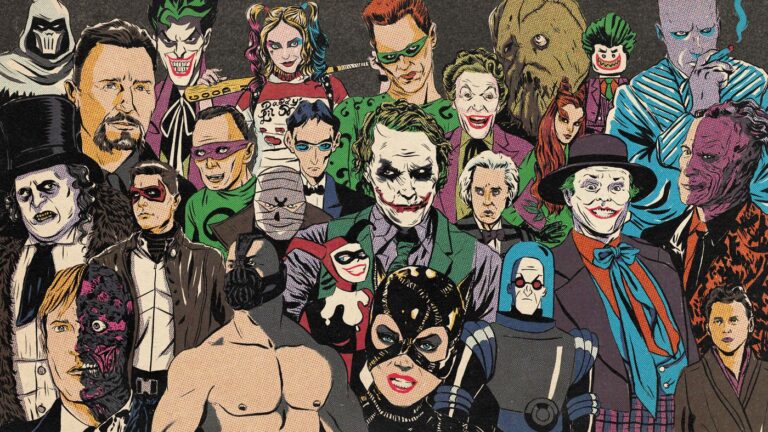
Fans of comics know that throughout the history of Batman’s existence, he has had enough enemies, both funny and downright creepy. We’ve chosen the eight most favourite freaks and ranked them from weird villains to absolute maniacs.

Maybe this article will inspire you to spend some time with old-school comics. If you need proper rest, having fun is definitely your choice. You can also play some games — read more about the best way to relax.

Another raging trend on the internet is making memes to send to your friends and have a laugh. You can do so using meme maker on Adobe.com.

Johnny Karaoke

Perhaps, it is not the best idea to include little-known characters who appeared in only one or two issues. But it is somehow impossible to resist and not to write about Johnny Karaoke — a villain who may not have become too popular, but he’s silly enough to mention. So, Johnny is the head of a Japanese criminal group, but it is difficult to call him scary or even dangerous. Instead of extraordinary abilities, he has, ahem, a good voice and instead of super-gadgets — a pickaxe that he uses as a microphone. But Johnny has a good education — it is known that he received a degree in business administration from the University of California in Los Angeles.

Source: variety.com

Kite Man

Poor Charles Brown is on every list of the worst criminals in the Batman universe. It is not surprising — what other place can you deserve if even a tree defeated you? And it was, officially, on the pages of comics. We don’t know how Bill Finger invented the character, but it’s still surprising that the hero has stayed in the DC world until now. Over nearly 60 years, he regularly lost to Batman, Hawkman, and Zatanna. And although Brown’s only strength is his inhuman love for kites, one day, Deathstroke even invited him to the Secret Society of Supercriminals. However, Chuck refused, as a result of which he was thrown from the window. The character has appeared in so many memes that Tom King, the current Batman writer, gave him a major role in the recent The War of Jokes and Riddles arc, not forgetting to poke fun at the character.

Onomatopoeia

In general, onomatopoeia is a technique often used in comics. It is the name given to all the inscriptions “BOOM!”, “KRAK,” or “CRASH!” which are supposed to convey the noise of hits, gunfights, or other events. Kevin Smith (yes, he is not only a director but also a comic book author) decided to call this a villain who does not speak to his victims but only imitates the surrounding sounds. Not much is known about this character — only that he kills non-superpowered heroes and takes their masks as trophies. At the same time, Onomatopoeia manages to lead a completely normal family life and hide his nocturnal entertainment from his wife and children.

Source: gamesradar.com

The Polka-Dot Man

Okay, here’s an example of how weird comic book characters were in the 1960s. The Polka-Dot Man is famous for wearing a spotty suit… in which each dot is somehow transformed into some sort of gadget. He’s also very fond of puns and regularly makes some dubious jokes about (yes, you’ve guessed it right) dots. It would seem that such a frivolous villain should be forgotten forever, but they say that he still has a long way to go. The Polka-Dot Man is one of the central characters in James Gunn’s Suicide Squad, where his role is played by Iranian-American actor David Dastmalchian. Who knows, maybe this villain will soon get a deep, tragic backstory and become more popular than the Joker?

Ratcatcher

Ratcatcher is an example of what obsession with work can lead to. Before becoming a villain, Otis Flannegan did work as a rat-catcher in Gotham, but very soon, he discovered the gift of communicating with rats and understanding them. Flannegan engaged in robbery and kidnapping, managing his pack of rats. While behind bars, Otis used rodents as little spies. It is not difficult to guess that training rats helped him more than once to find a way to escape from prison. Ratcatcher cooperated with other villains many times — he helped Bane escape from the Blackgate, tried to poison Gotham’s reservoir together with Catman, and worked with Mr. Freeze.

Doctor Hurt

Who is Simon Hurt? The Joker himself considers this antagonist to be Satan or, at least, an extremely powerful demon. Batman suspects that Hurt is a minion of Darkseid or even Darkseid himself in human form. Hurt himself calls himself Thomas Wayne, but this in no way simplifies the story because there were two of them — Batman’s father and his ancient Satanist ancestor. Only one thing is clear — the mysterious villain is ready to do anything to destroy Gotham and the rebellious Bruce Wayne. For example, he tries to create his own version of Batman, pumps the real one with heroin, erases his memory, and fills the city air with drugs. Oddly enough, the villain Joker won — when Hurt slipped on a banana peel and broke his neck, he injected him with poison and buried his enemy alive. Yes, it sounds bizarre, but the story of this character was written by Grant Morrison — the main lover of occultism, mysteries, and black humour in the comic industry.

Mad Hatter

Jervis Thatch first appeared in comics back in 1948, though only in one issue. The 60s were the star time for the Mad Hatter. Then he finally took shape as a mad scientist who created a mind control device and used it with a fanatical devotion to Lewis Carroll and his Alice in Wonderland. Fortunately, the screenwriters had the nerve not to involve Alice directly in this story. Poor Jervis constantly suffers from the fact that his genius invention does not protect him well enough but is very popular in the “villain market.” So most of the crimes in the comics weren’t committed directly by Thatch but by other villains who used the Hatter as technical support for his technology.

Dollmaker

In the comics universe, it is not uncommon for an antagonist to act as an enemy of several superheroes in a different guise. It is also true with Dollmaker. He is a serial killer and a talented surgeon who creates “dolls” from the skin and limbs of his victims. As a child, Barton witnessed his father kill and cannibalized a man. Little Matis will be in the foster family for only a year, after which he will disappear, having already appeared in the form of the Dollmaker — a maniac whose mask is partially made of the skin of his late father.

Where to Read Marvel Comics for Free?

0

Comic books have always been an interesting and popular form of literature, with avid readers all around the world. However, finding comics to read for free can be a bit of a challenge. In this article, we’ve compiled a list of some of the best comic book websites that offer free content as well as exclusive discounts for subscribers. Let us know in the comments what you think!

What are Marvel Comics?

Source: taschen.com

Marvel Comics are a series of American comic books published by Marvel Comics. The company was founded in 1939 by Joe Simon and Jack Kirby, and has since become one of the world’s most successful comics publishers. Marvel Comics operates as a subsidiary of Disney, with the majority of its revenue coming from sales of comic books and graphic novels in the United States.

Marvel Comics and Libraries

Marvel Comics is one of the most popular and well-known comic book franchises in the world. Millions of readers love reading Marvel comics for free online or in their local libraries. Here are five great ways to enjoy Marvel comics without spending a penny:

  1. Download the Marvel Comics App from Google Play or iTunes. This app allows you to read, listen to, and watch your favorite Marvel comics on your mobile device.
  2. Read Marvel comics on Marvel Unlimited, a subscription service that offers access to over 8,000 Marvel comics. This is a great way to read specific storylines or arcs without having to wait months for new issues to come out in print.
  3. Check out your local library’s collection of Marvel comics. Many libraries have copies of Amazing Spider-Man, X-Men, Iron Man, Thor, and other popular titles that can be read for free.
  4. Read Marvel comics online at sites like The Webcomic List and CBR Online . These sites offer zipped files of entire series runnings so you can read them in one sitting without having to wait for new issues to come out in print.
  5. Follow along with blog posts about specific Marvel storylines onwebsites like Comic Book Resources or Bleeding Cool . These posts provide detailed background information on the comics and help you stay up to date on all the latest news and events from the Marvel universe.

How to Find Marvel Comics for Free?

Source: futurecdn.net

Marvel Comics is one of the most popular and well-known comic book brands in the world. While many people know of Marvel from their movies and TV shows, there’s a whole world of Marvel comics that you can read for free! Here are some tips on how to find Marvel comics for free:

-First, check out Marvel’s website. They have a search bar at the top of the homepage where you can type in what you’re looking for, like “free Marvel comics.”

-Next, check out websites like Reddit and The Comic Book Critic. Reddit has a dedicated subreddit for Marvel comics called r/marvel comics, while The Comic Book Critic has an entire section devoted to free Marvel comics.

-Finally, check out local comic book stores. Many stores will give away free copies of new Marvel comics when they’re released, or they might have older issues that are still in print.

End-Up

If you’re a fan of Marvel Comics, then you’ll want to check out some of the great free reading options out there. Right now, Marvel is offering a big digital library for free with unlimited access. This means that you can read as many comics as you like without having to worry about hitting your monthly data limit or spending any money on comics. Additionally, Scribd offers its own library of free comics that you can access online or through the Scribd app.